Exploring the Potential of Additive Manufacturing (3D Printing) in Industrial Applications
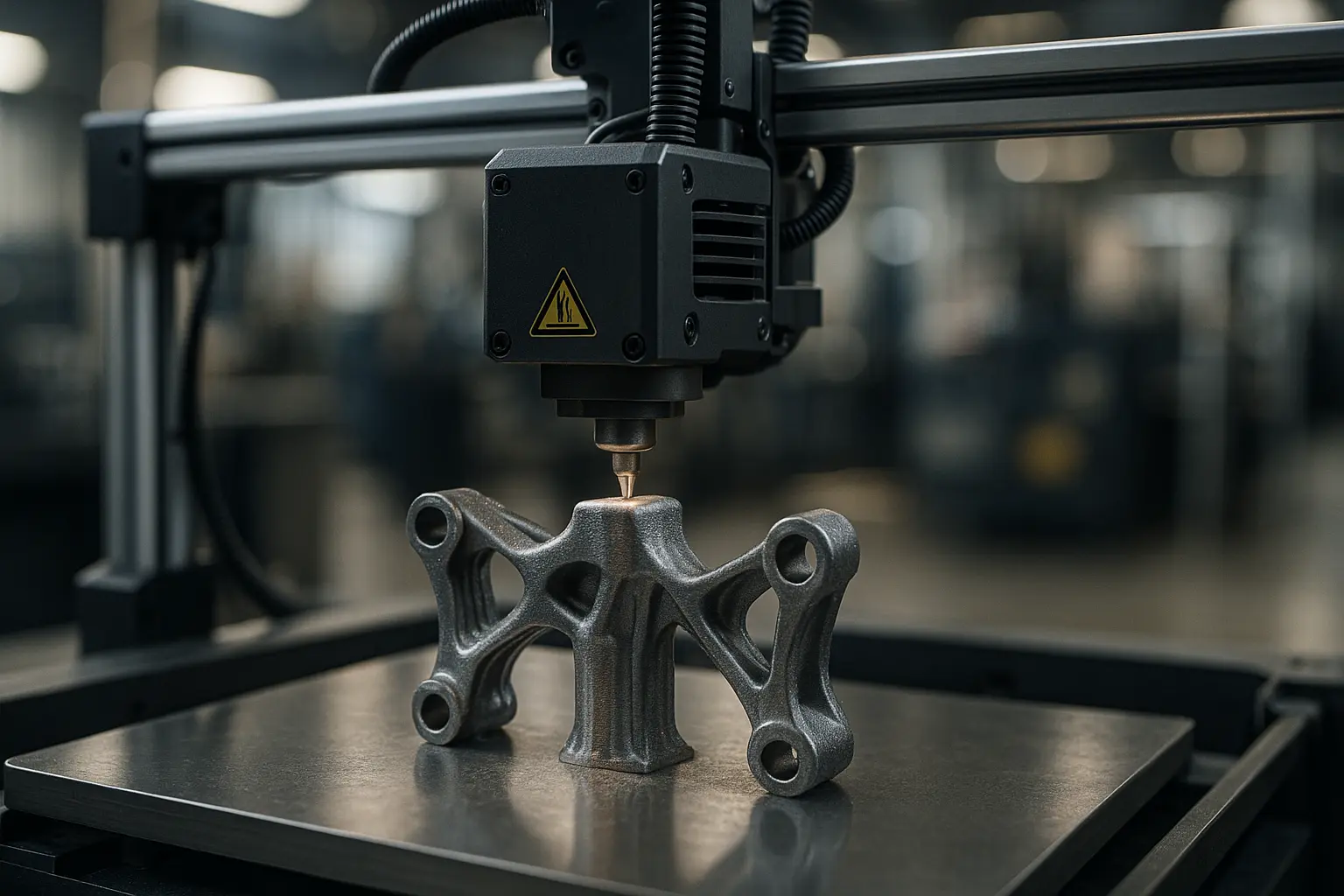
In the vast landscape of modern technology, additive manufacturing, commonly known as 3D printing, stands out as a beacon of innovation and evolution. As we navigate through 2025, the impact of this technological marvel continues to expand, reshaping how we approach manufacturing in various industries. Our journey in this article will explore its profound implications, shedding light on applications that were previously unimaginable. In this realm, we find not just a process, but a revolution that promises to redefine the boundaries of what can be produced.
Revolutionizing Production with 3D Printing
The concept of 3D printing isn’t just a fleeting trend; it’s a cornerstone in the manufacturing industry. This technology allows us to transform digital designs into tangible products by layering materials meticulously. Unlike traditional methods, additive manufacturing provides an unprecedented level of design freedom, enabling the creation of complex geometries and intricate details.
Tailored Solutions for Diverse Industries
From aerospace to healthcare, the applications of 3D printing span a multitude of sectors. In aerospace, for instance, the ability to produce lightweight yet robust parts has drastically reduced aircraft weight, enhancing fuel efficiency and reducing emissions. High-performance materials like titanium and composites are now being used to manufacture critical components, offering durability and strength.
Efficiency and Sustainability
The traditional production process often involves significant material waste and energy consumption. In contrast, additive manufacturing is inherently more sustainable, using only the necessary materials for production. This not only reduces waste but also shortens the supply chain, leading to quicker development and decreased lead time.
Driving Innovation
3D printing is not just about parts and tooling; it’s about innovation. It empowers designers to experiment, iterate, and refine without the constraints of traditional manufacturing. This agility fosters a culture of creativity, allowing for rapid prototyping and the introduction of new products more frequently.
The Role of Advanced Materials in Additive Manufacturing
As we delve deeper into the world of 3D printing, the role of materials becomes increasingly vital. The evolution of high-performance materials has unlocked new possibilities, enabling industries to push the boundaries of what’s achievable.
Material Diversity
Today’s additive manufacturing isn’t limited to plastics. Metal 3D printing has emerged as a game-changer, with materials such as stainless steel, aluminum, and nickel alloys playing pivotal roles in producing durable and high-quality parts. Ceramic and biodegradable materials have also entered the fray, catering to specific applications in industries like pharmaceuticals and electronics.
Customization and Flexibility
The flexibility offered by advanced materials is unparalleled. Manufacturers can now tailor the properties of a material to suit specific applications, such as conductive thermoplastics for electronics or bio-compatible polymers for medical implants. This level of customization ensures the final product meets the desired specifications without compromise.
Overcoming Challenges
Despite its many advantages, the additive manufacturing process is not without challenges. Material limitations can impact the scalability of production, and finding the right material for a specific application remains a crucial task. However, ongoing research and development continue to address these challenges, pushing the boundaries of what’s possible.
Applications Across Industries: A Paradigm Shift
The versatility of 3D printing extends beyond its materials and production methods. It fundamentally alters how industries operate, marking a significant shift from traditional practices.
Automotive Innovations
In the automotive sector, additive manufacturing has revolutionized tooling and prototyping. Customized parts can now be produced on demand, reducing production costs and accelerating the development cycle. This flexibility allows automakers to experiment with designs that enhance vehicle performance and safety.
Healthcare Transformations
The healthcare industry stands to benefit immensely. 3D printing is already producing custom prosthetics, dental implants, and even organs, tailored to individual patient needs. This personalization leads to better outcomes and a higher quality of life for patients.
Architectural Advances
In architecture, the ability to create complex structures with minimal waste is groundbreaking. 3D printing offers architects the freedom to explore new forms and materials, resulting in sustainable and innovative designs.
This technology is a catalyst for change, enabling industries to adapt quickly to market demands and remain competitive in an ever-evolving landscape.
The Future of Additive Manufacturing: A Vision Unfolds
As we peer into the future, the potential of additive manufacturing seems boundless. The technological advancements we’re witnessing today are only the beginning of a larger revolution.
Innovations on the Horizon
The development of more sophisticated printers and materials promises to expand the range of applications further. We’re on the cusp of seeing 3D printing integrated into more industries, creating a network of production hubs that can respond rapidly to any requirement.
Collaboration and Connectivity
The future will likely see increased collaboration between manufacturers, designers, and engineers, enabling a seamless exchange of ideas and innovations. This interconnectedness will lead to faster development cycles and more cohesive production processes.
Overcoming Technological Barriers
While challenges remain, such as the standardization of materials and processes, the pace of innovation suggests these barriers will soon be overcome. As technology continues to evolve, we can anticipate more sustainable, efficient, and intelligent manufacturing environments.
Our journey through the landscape of additive manufacturing reveals a world of limitless potential and opportunity. It invites industries to embrace change and explore the unknown, fostering a culture of innovation and creativity.
In conclusion, additive manufacturing stands as a testament to human ingenuity and the relentless pursuit of progress. As we’ve explored, its applications are vast, touching every corner of the industrial world. From design to production, this technology offers unprecedented opportunities for growth and transformation.
In this era of rapid change, embracing the potential of 3D printing means crafting a world where innovation is not just an aspiration but a reality. As we continue to explore and push boundaries, we find ourselves on the brink of a new era—one where the extraordinary becomes the norm. This is not just the future of manufacturing; it’s a glimpse into the future of humanity.
FAQ
What is additive manufacturing, and how does it differ from traditional manufacturing methods?
Additive manufacturing, commonly known as 3D printing, is a process where objects are created by layering material based on digital models. Unlike traditional manufacturing, which often involves subtracting material from a larger piece, additive manufacturing builds items layer by layer, reducing waste and allowing for more complex designs.
What are some of the key industrial applications of 3D printing?
3D printing has been adopted in various industries, including aerospace for creating lightweight components, automotive for rapid prototyping of parts, healthcare for producing custom prosthetics and implants, and consumer goods for personalized product design. These applications highlight its versatility in producing complex geometries and reducing production lead times.
How does additive manufacturing contribute to innovation in design and production?
Additive manufacturing enables designers to create intricate and complex structures that would be challenging or impossible with traditional methods. It allows for rapid prototyping, which accelerates the design process and fosters innovation by enabling quick iterations and testing of new ideas without the need for extensive tooling changes.
What are the challenges faced by industries implementing 3D printing?
While 3D printing offers numerous advantages, industries face challenges such as the high cost of materials and equipment, limited material choices, and the need for specialized expertise. Additionally, ensuring consistency and quality in large-scale production remains a significant hurdle, along with the integration of 3D printing into existing supply chains.
What advancements are expected in the future of industrial 3D printing?
The future of industrial 3D printing looks promising with expected advancements in material science, leading to a broader range of printable materials. Improvements in printer technology will enhance speed and precision, while the development of hybrid manufacturing processes will integrate additive and traditional methods, expanding the scope and efficiency of industrial applications.








Post Comment