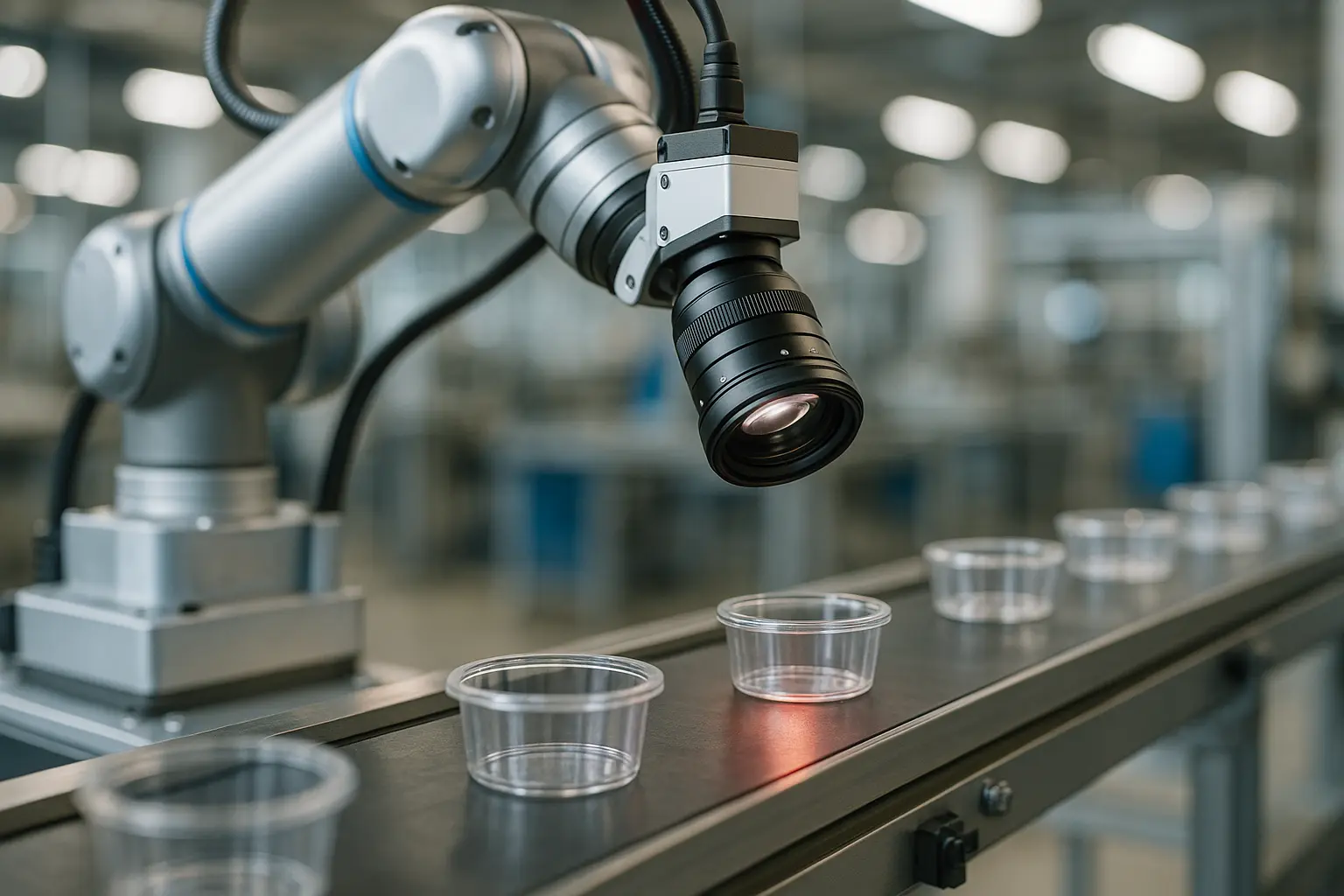
Machine Vision: Improving Quality Control and Efficiency in Production Lines
In an industry where precision and efficiency can make or break a company, adopting innovative technologies is no longer an option — it’s a necessity. Machine vision, a technology once left to the domain of science fiction, is now taking center stage in manufacturing worldwide. And for good reason: it promises a future where production processes are not only faster but also free from human error.
Yet, what exactly is Machine Vision, and how does it revolutionize the world of industrial production? Let’s delve deeper into this transformative realm where cameras and computers collaborate, ensuring that every product rolling off the assembly line meets superior standards of quality and safety.
Understanding Machine Vision and Its Evolution
Machine vision, at its core, is the use of technology to provide imaging-based automatic inspection and analysis for applications such as product inspection, quality assurance, and process control. It’s about giving a “vision” to machines, equipping them with the ability to “see” and make decisions based on visual inputs.
Historically, the idea of machines that could interpret images seemed far-fetched. However, with advancements in technology and data processing, what was once just a futuristic dream has become a practical reality. In today’s world, machine vision systems are a staple in many industrial settings, evolving from rudimentary systems to sophisticated networks capable of handling complex data sets.
One of the intriguing aspects of machine vision is its adaptability across diverse industries. Whether it’s sorting out defective parts in an automotive factory, inspecting food products for contamination, or ensuring safety in pharmaceuticals, the application of machine vision is vast and varied.
Our increased reliance on machine vision speaks volumes about its efficiency. Removing the element of human error not only enhances quality but also significantly cuts down on time spent on production tasks. In fact, machine vision systems can process data much faster than the human eye, offering real-time analysis and feedback, which is indispensable in today’s fast-paced industry.
The Impact on Quality Control and Product Safety
In the world of manufacturing, the term ‘quality control‘ carries immense weight. It’s the fine line between delivering products that delight customers and those that fail to meet expectations. Machine vision stands as a pivotal tool in ensuring quality control, identifying defects with an accuracy no human could achieve.
By integrating machine vision into the inspection process, companies can detect flaws and irregularities that might be invisible to the naked eye. This level of precision not only improves the quality of the final product but also minimizes the risk of faulty products reaching consumers, thereby enhancing safety standards.
Moreover, the role of machine vision extends beyond detecting defects; it actively contributes to process optimization. By analyzing patterns and discrepancies, machine vision systems can suggest adjustments to production lines, ensuring more consistent output and less waste. In essence, it’s about creating a more efficient and streamlined process that benefits both the manufacturer and the end consumer.
Furthermore, machine vision aids in maintaining regulatory compliance, a crucial aspect of manufacturing in today’s tightly controlled industry environment. With every part inspected and verified, machine vision ensures that products meet the stringent standards set by industry regulators, protecting brands from costly recalls or legal repercussions.
Efficiency Gains in Manufacturing Processes
Beyond bolstering quality control, machine vision is a key driver of efficiency across manufacturing processes. By automating inspection and control tasks that were traditionally labor-intensive, machine vision frees up human resources for more strategic roles, fostering a more dynamic and productive workplace.
With machine vision, manufacturers can expect a significant boost in throughput with fewer bottlenecks in production. The ability of machine vision systems to inspect and sort products at remarkable speeds means that manufacturing plants can operate at an accelerated pace without compromising on quality.
Another aspect of efficiency lies in the predictive maintenance enabled by machine vision. By continuously monitoring the production line, these systems can detect potential equipment failures before they occur, reducing downtime and ensuring continuous operation. It’s a proactive approach to maintenance that keeps the wheels of industry turning smoothly.
Furthermore, data gathered from machine vision systems can offer actionable insights into process performance, allowing manufacturers to make informed decisions that enhance overall efficiency. By leveraging these insights, companies can adapt swiftly to changes in demand, optimize resource allocation, and ultimately, increase their competitive edge in the market.
Navigating the Future of Machine Vision in Industry
As we look to the future, the role of machine vision in manufacturing is set to grow even further. The integration of artificial intelligence and machine learning with machine vision systems promises even more sophisticated capabilities, turning raw data into actionable intelligence.
In the coming years, we anticipate machine vision systems becoming more compact, affordable, and accessible to even small and medium-sized enterprises. Such democratization of technology will open new avenues in innovation, allowing more companies to reap the benefits of enhanced quality and efficiency.
Moreover, as the emphasis on sustainability continues to rise, machine vision will play a key role in minimizing waste and optimizing resource use, thereby reducing the environmental footprint of production processes. The potential for machine vision to contribute to a more sustainable industry is immense.
By focusing on continuous improvement and embracing the potential of machine vision, we are on the cusp of a transformation that will redefine how products are made and consumed. As we navigate this exciting landscape, we must remain attuned to the evolving needs of both the industry and the consumer, ensuring that technology serves as a bridge to a more efficient and responsible future.
As we’ve explored, machine vision is not simply an auxiliary tool for manufacturing; it is the vanguard of a technological revolution that promises to redefine quality, efficiency, and safety across the industry. By harnessing the power of machine vision, we can ensure that the products of tomorrow meet the highest standards, while remaining competitive in a dynamic market.
In this era of rapid innovation, manufacturers must embrace machine vision as a cornerstone of their production strategy. By doing so, they not only improve processes and minimize defects but also prepare for a future where technology and human ingenuity coalesce to create a more sustainable and prosperous industry.
FAQ
What is machine vision, and how does it enhance quality control on production lines?
Machine vision involves the use of cameras, sensors, and software to automatically inspect and analyze products on production lines. By detecting defects, inconsistencies, or deviations in real-time, it ensures high-quality standards are maintained, reducing waste and improving product reliability.
How does machine vision contribute to efficiency in manufacturing processes?
Machine vision systems streamline production by rapidly inspecting items without human intervention. This speeds up the process, reduces manual labor costs, and minimizes errors, resulting in a more efficient and cost-effective manufacturing operation.
Can machine vision systems adapt to different types of products on a production line?
Yes, machine vision systems are highly versatile and can be programmed to accommodate a variety of product types and shapes. With adjustable parameters and advanced algorithms, these systems can easily adapt to different inspection criteria and production requirements.
What are some common challenges faced when implementing machine vision in production lines?
While machine vision offers numerous advantages, challenges can arise, such as integrating with existing systems, ensuring precise calibration, and handling complex lighting conditions. However, these can be overcome with proper planning and expert consultation during setup.
What industries can benefit most from deploying machine vision technology?
Machine vision technology is beneficial across various industries including automotive, electronics, pharmaceuticals, and food and beverage. Any sector that requires consistent quality control and high production efficiency can reap significant benefits from integrating machine vision into their processes.











Post Comment