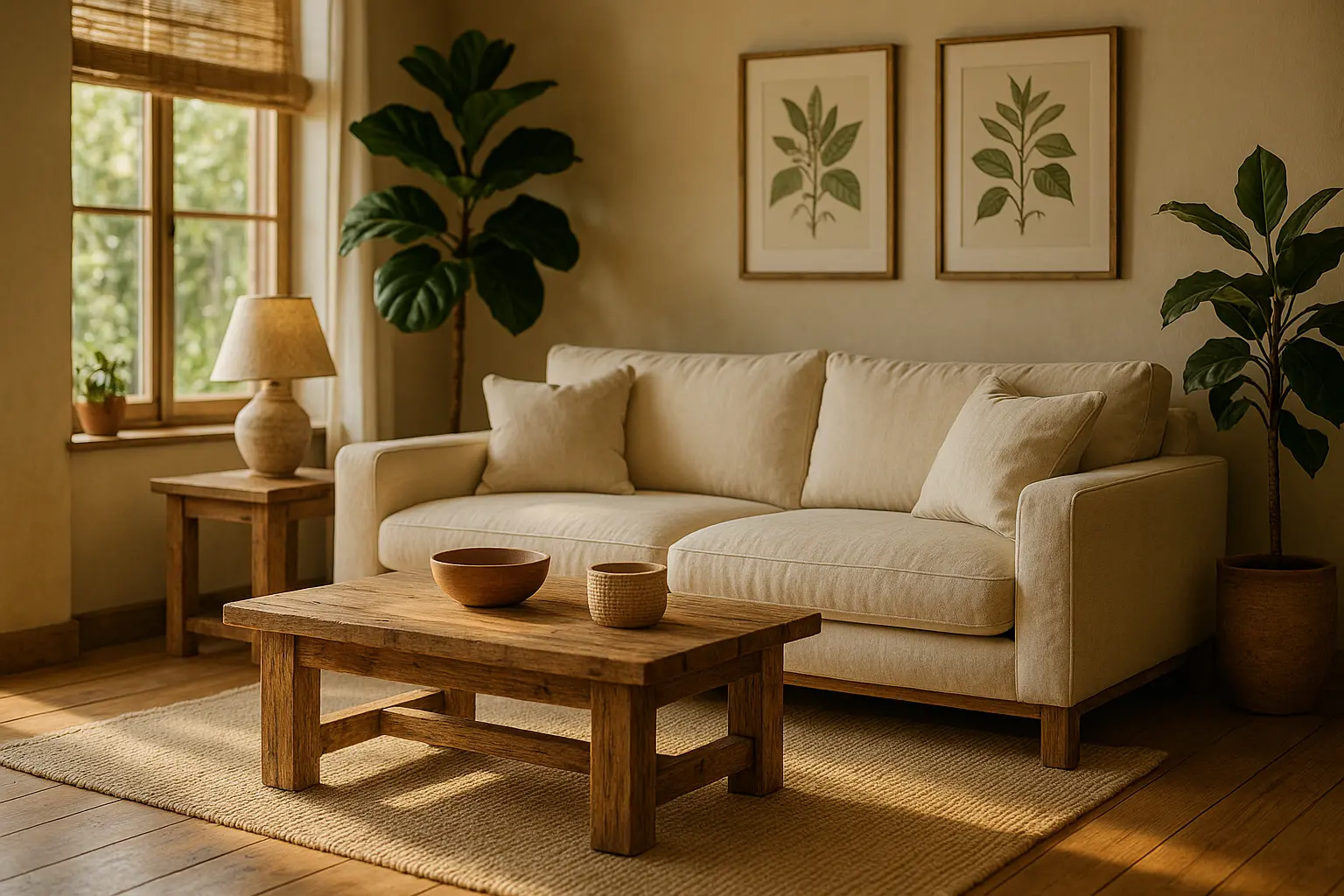
Sustainable Home Decor: Eco-Friendly Choices for a Stylish Space
In a world where sustainability is becoming synonymous with style, the way we decorate our homes is evolving. As we navigate this new era, the choices we make about our living spaces become reflections of our commitment to the environment. Sustainable home decor isn’t just a trend; it’s a lifestyle that prioritizes eco-friendliness without compromising on aesthetics. Let’s embark on a journey to transform our homes into sanctuaries of natural beauty, where every item tells a story of conscious choice.
Embracing Natural Materials
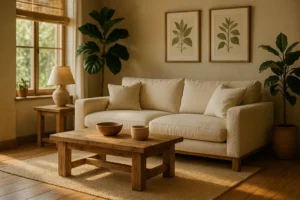
The backbone of sustainable home decor lies in the use of natural materials. The allure of such materials extends beyond their organic origins—they bring warmth, texture, and a touch of the earth into our living spaces. Wood, with its timeless appeal, is an exemplary choice. Reclaimed wood, in particular, not only reduces waste but adds a rustic charm that enriches any room.
This eco-friendly approach goes beyond wood. Consider bamboo, a fast-growing plant that’s incredibly versatile. Its strength and resilience make it ideal for furniture and flooring, while its light color can brighten up any space. Similarly, cork has emerged as a sustainable option, known for its insulating properties and unique texture.
We must also highlight the role of organic textiles in sustainable decor. Cotton, linen, and hemp are materials that are as gentle on the environment as they are on the skin. These fabrics provide a tactile quality that invites coziness and comfort into our homes.
By choosing these materials, we not only reduce our environmental footprint but create spaces that breathe and feel alive. The blend of different textures and tones can transform a mundane room into a vibrant eco-friendly haven.
Eco-Conscious Furniture Choices
Sustainability isn’t just about what we use—it’s also about how we use it. Furniture is a significant component in home decor, and making eco-conscious choices can significantly impact our environmental footprint.
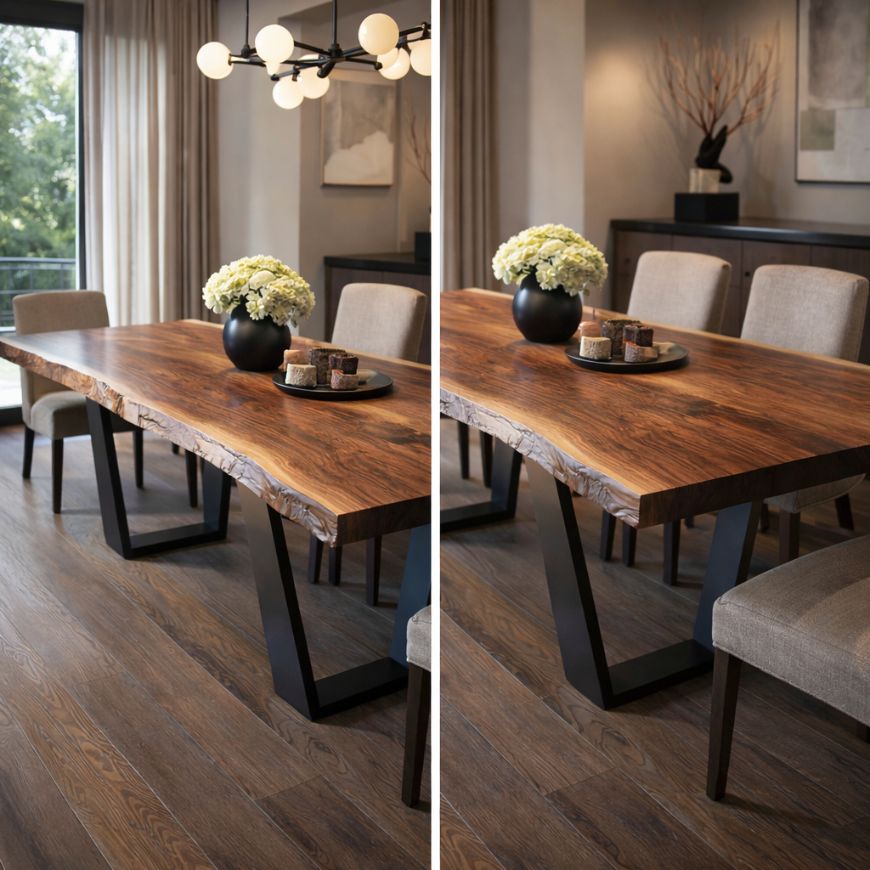
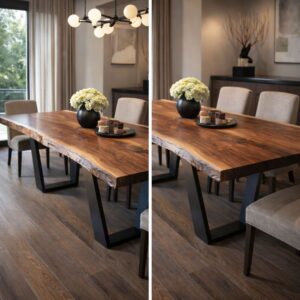
When selecting pieces for our home, let’s prioritize items made from recycled or reclaimed materials. These not only minimize waste but often come with unique histories that add character to our spaces. For instance, a dining table crafted from reclaimed barn wood tells a story of transformation and endurance.
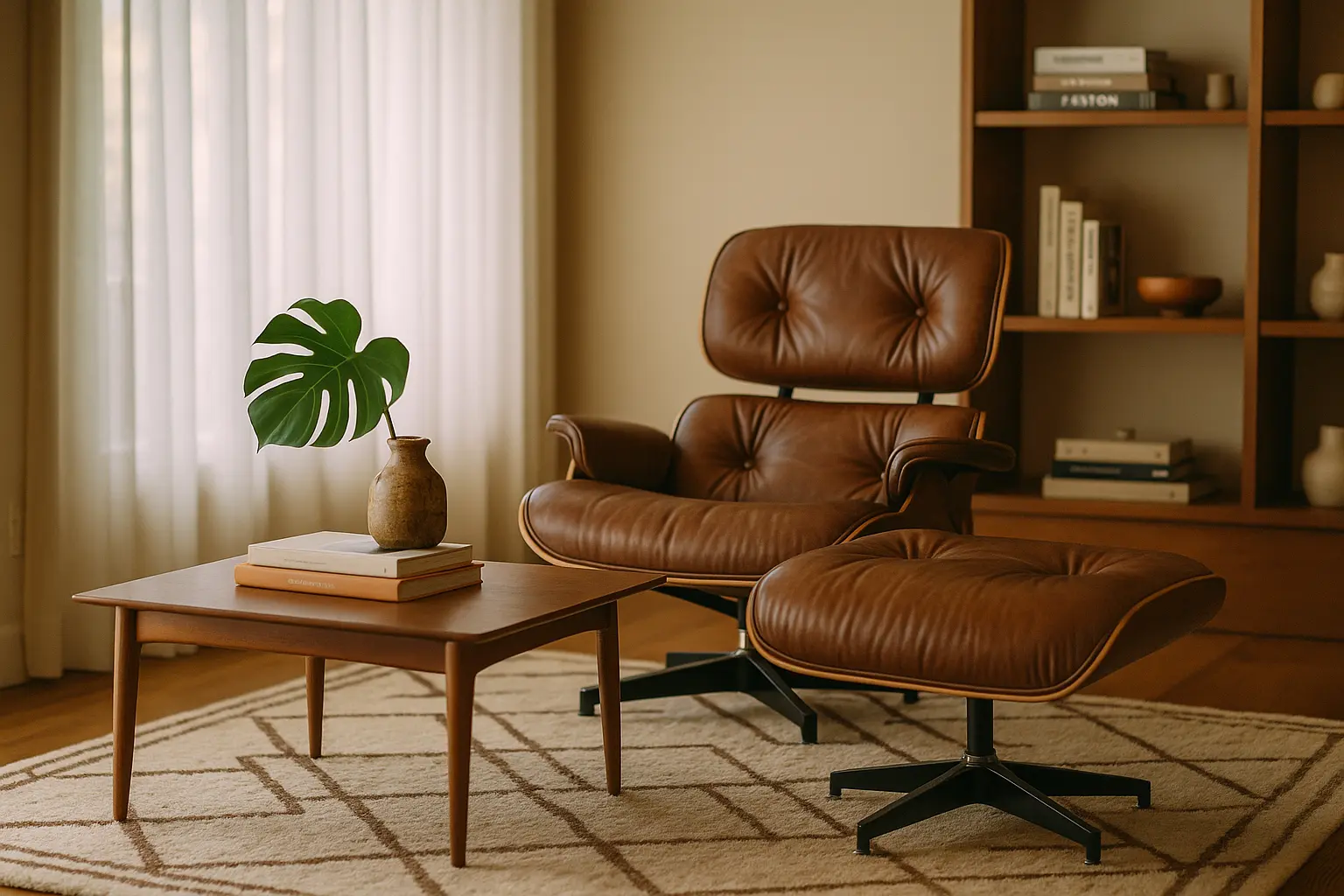
Another aspect to consider is the longevity of the furniture. Opting for timeless designs and well-crafted pieces ensures that they won’t need replacing anytime soon, thereby saving both resources and energy. Think of investment pieces as heirlooms that could pass through generations, each telling a family’s story.
Moreover, as we pivot towards minimalism, it’s vital to focus on the quality and utility of items over mere quantity. A minimalist approach to furniture helps us create open, airy spaces that feel serene and inviting. This concept of ‘less is more’ aligns perfectly with our desire to live sustainably and stylishly.
Let’s also recognize the innovation in eco-friendly furniture design. From sofas made with natural latex and covers of organic cotton to chairs crafted from waste materials, every piece can contribute to a greener home. Our choices today will shape the world of tomorrow.
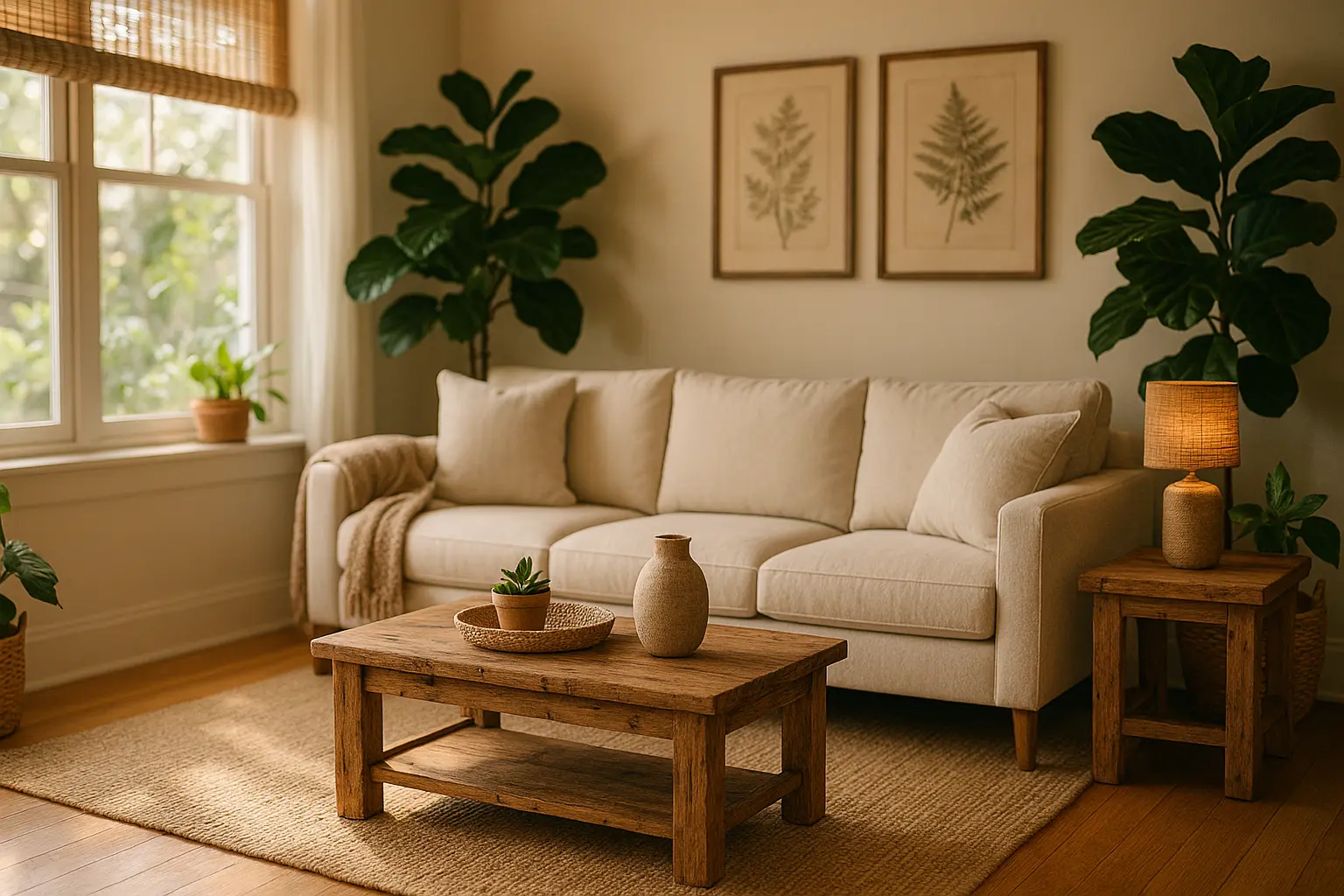
Complementing Decor with Organic Elements
No sustainable home decor is complete without the integration of organic elements that seamlessly bridge the indoors and outdoors. By incorporating nature into our homes, we create spaces that are not only beautiful but also rejuvenating.
Plants play a pivotal role in this transformation. Beyond their aesthetic appeal, they purify the air, reduce stress, and boost creativity. Indoor gardens or simple potted plants can add vitality to any room. Consider varieties like snake plants, fiddle leaf figs, and peace lilies, that thrive indoors and require minimal care.
We must also consider the importance of natural light. Large windows and well-placed mirrors can maximize this invaluable resource, reducing our dependence on artificial lighting and, in turn, conserving energy. Sheer curtains made from organic materials can soften sunlight, creating a tranquil ambiance.
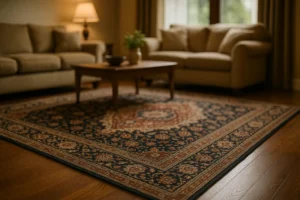
To further incorporate organic elements, explore decorative items made from natural fibers such as jute, sisal, or seagrass. These materials add an earthy texture and warmth, complementing the overall sustainable design. From rugs to wall hangings, the possibilities are endless.
Every plant, every ray of sunlight, and every natural element we add tells a story of our commitment to a healthier and more harmonious world.
The Power of Upcycling and DIY
In our pursuit of sustainable home decor, let’s harness the power of upcycling and DIY projects. This approach not only cuts down on waste but also sparks creativity and personal expression.
Upcycling transforms waste into wonder by giving new life to discarded items. An old ladder can become a bookshelf, and vintage glass bottles can be repurposed as elegant vases. The beauty of upcycling lies in its ability to turn the ordinary into extraordinary with just a touch of imagination.
Engaging in DIY projects allows us to infuse personal touches into our spaces, making them truly unique. From crafting our own candles with natural wax and essential oils to sewing pillow covers from organic fabrics, the possibilities are endless. Not only do these projects reduce our reliance on mass-produced items, but they also offer a sense of accomplishment and joy.
This creative approach to decor aligns perfectly with the principles of sustainability, encouraging us to see beauty in what might otherwise be discarded. It’s a reminder that every item holds potential and that our creativity is a powerful tool in the fight against waste.
Together, through upcycling and DIY, we can craft homes that are not only sustainable but deeply personal and unique.
The journey to a sustainable home is a journey to a better future. Each choice, each item, and each design reflects our commitment to the environment and our desire for spaces that are both stylish and eco-friendly. By embracing natural materials, making conscious furniture selections, integrating organic elements, and exploring the creative possibilities of upcycling, we not only enhance our living spaces but also contribute positively to the planet.
As we continue to cultivate stylish yet sustainable homes, we inspire others to follow suit, creating a ripple effect that extends beyond our front doors. Together, let’s craft a world where sustainability and style coexist harmoniously, one beautiful, eco-friendly space at a time.
FAQ
What are some sustainable materials for home decor?
Sustainable home decor often involves using materials that are renewable, recyclable, or have a minimal environmental impact. Popular eco-friendly options include bamboo, reclaimed wood, recycled glass, organic cotton, and jute. These materials not only reduce carbon footprints but also add a natural and stylish touch to any space.
How can I incorporate eco-friendly practices in my home decoration?
To embrace eco-friendly home decor, consider incorporating second-hand or vintage items, upcycling old furniture, or choosing items made from sustainable materials. Opt for energy-efficient lighting and look for decor pieces from brands committed to sustainability practices. Every small change contributes to a healthier planet.
Are there any specific certifications I should look for when purchasing sustainable home decor?
Yes, several certifications can help identify sustainable products. Look for labels like Fair Trade, Forest Stewardship Council (FSC), Global Organic Textile Standard (GOTS), and Energy Star. These certifications ensure that the products meet specific environmental and ethical standards.
How can plants enhance a sustainable home decor theme?
Incorporating plants into your home decor offers multiple benefits. They improve air quality, add a touch of nature, and provide a calming atmosphere. Choose low-maintenance species like succulents or spider plants. Using pots made from sustainable materials, such as recycled ceramics or biodegradable containers, further enhances your eco-friendly theme.
What are some budget-friendly ways to achieve a sustainable home decor style?
Creating a sustainable home decor style doesn’t have to be expensive. Start by shopping at thrift stores or online marketplaces for pre-loved items. DIY projects, like painting old furniture or creating wall art from recycled materials, can add a personal touch. Swap decor items with friends or family to refresh your space without buying new.




Post Comment