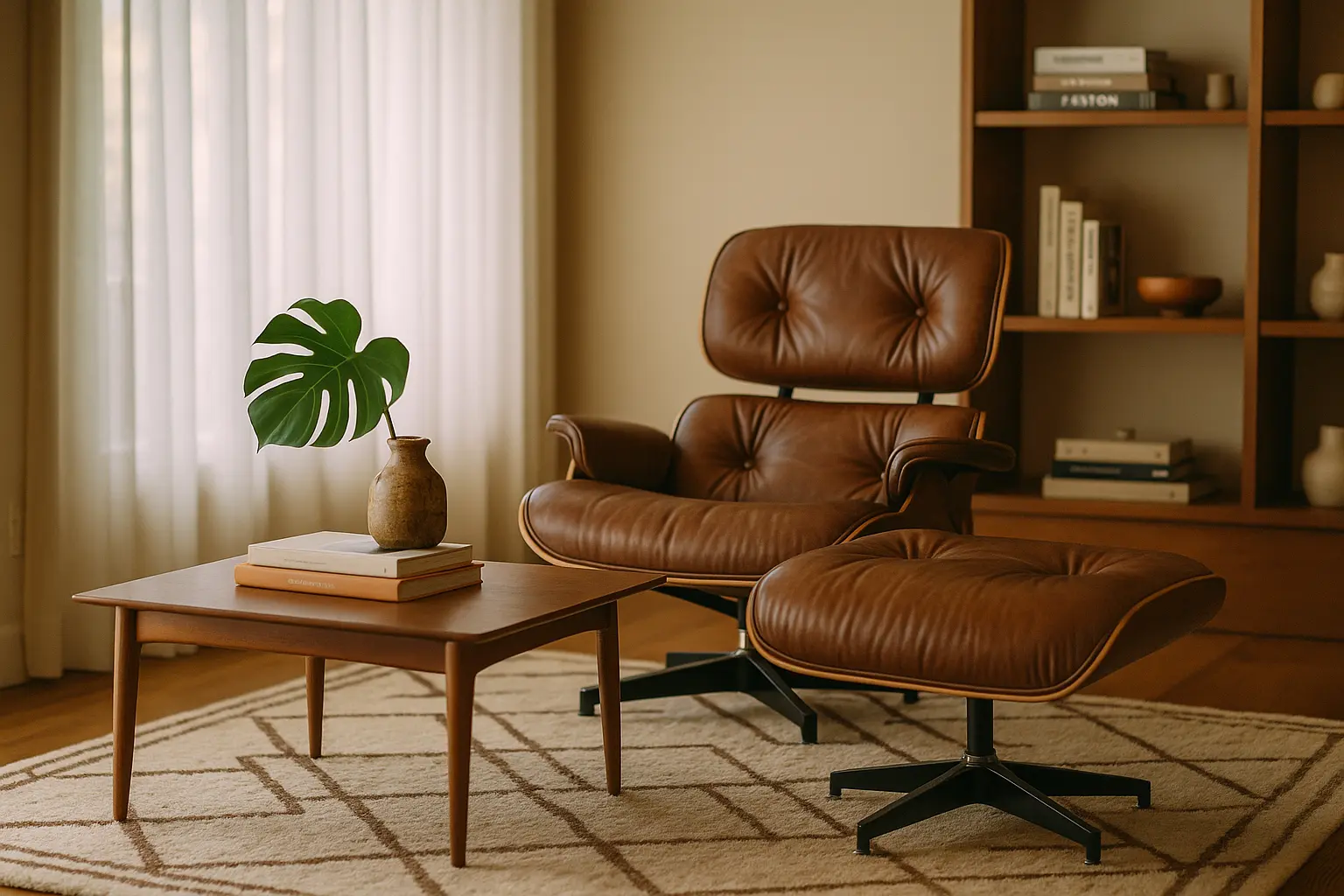
The Timeless Appeal of Mid-Century Modern Interior Design
In a world of fleeting trends and ever-changing tastes, few styles withstand the test of time. One such enduring style is mid-century modern interior design. This movement, characterized by its clean lines, minimalistic approach, and functional designs, continues to captivate our imaginations and dominate our homes more than half a century later. As we delve into this fascinating design era, we invite you to explore the evolution and relevance of this iconic style. Let’s see how it continues to transform contemporary spaces with its timeless allure and natural elegance.
The Birth and Rise of Mid-Century Modern Design
The mid-20th century was a period of profound creativity and innovation in the world of design. As the world emerged from the shadows of World War II, an optimistic wave of change swept through various aspects of society, including architecture and interior design. This new era birthed the Mid-Century Modern style, which combined functionality with sleek aesthetics and natural elements.
Historical Context
The post-war economic boom fueled the desire for fresh and efficient designs. Designers sought to break away from the ornate and overly decorative styles of the past, opting for a more streamlined and accessible approach. This movement was spearheaded by visionary designers such as Charles and Ray Eames, Eero Saarinen, and Florence Knoll, whose innovative creations became synonymous with this era.
Key Characteristics
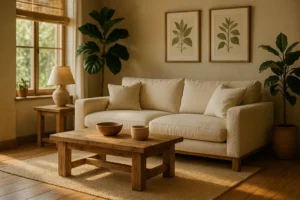
Mid-century modern design is defined by its focus on simplicity and purpose. The clean lines and uncluttered spaces aim to create a harmonious balance between aesthetics and practicality. The use of natural materials, such as wood, leather, and metal, adds a warm and earthy touch to these designs.
Influence on Contemporary Design
The influence of mid-century modern design can be seen in many contemporary homes today. Its principles of simplicity, functionality, and integration with the natural environment continue to resonate with designers and homeowners alike. By embracing these elements, we can create spaces that feel both modern and timeless.
Signature Pieces and Materials
An essential aspect of mid-century modern design lies in its iconic furniture and materials. These pieces, often created with a keen eye for detail and simplicity, serve as the hallmarks of this style, effortlessly blending into various interior spaces.
Notable Furniture Pieces
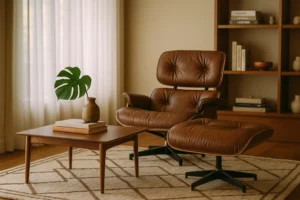
Many of the most recognizable furniture pieces today owe their origins to the mid-century modern movement. The famous Eames Lounge Chair, with its luxurious leather and sculptural wooden base, exemplifies the fusion of comfort and elegance. Similarly, the Tulip Table by Eero Saarinen, with its single central support, exudes a sense of space and fluidity.
A Focus on Functionality
Functionality is a key principle of mid-century design. Pieces like the Noguchi Coffee Table demonstrate how form follows function, combining a glass top with an organic wooden base to create an artistic yet practical centerpiece for any room. These designs prove that beauty need not come at the expense of utility.
Adoption of Natural Materials
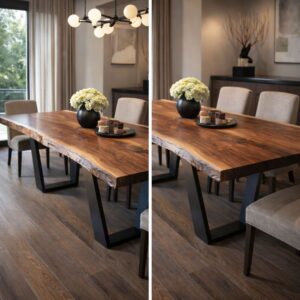
Mid-century modern designers often utilized natural materials to craft their creations. Wood, particularly teak and walnut, was favored for its rich grain and durability. These materials were combined with other elements, like leather and metal, to create pieces that were as functional as they were aesthetically pleasing.
Enduring Appeal
The enduring appeal of these iconic pieces lies in their ability to seamlessly integrate into diverse modern settings. By incorporating these timeless designs, we can achieve a balance of contemporary flair and classic elegance.
Designing Spaces with Timeless Elegance
Creating a mid-century modern interior goes beyond simply selecting the right furniture. It involves curating a harmonious space that captures the spirit of simplicity and elegance unique to this design movement.
Maximizing Open Space
Mid-century modern interiors are renowned for their open layouts. By embracing open-plan designs, we can create environments that encourage both interaction and relaxation. This approach not only enhances the flow of natural light but also fosters a sense of spaciousness and connectivity.
Incorporating Natural Elements
Nature plays a crucial role in mid-century modern design. We achieve this by incorporating potted plants, natural fibers, and earthy textures into our spaces. These elements help to soften the stark lines of modernity, providing a more inviting atmosphere.
Experimenting with Color
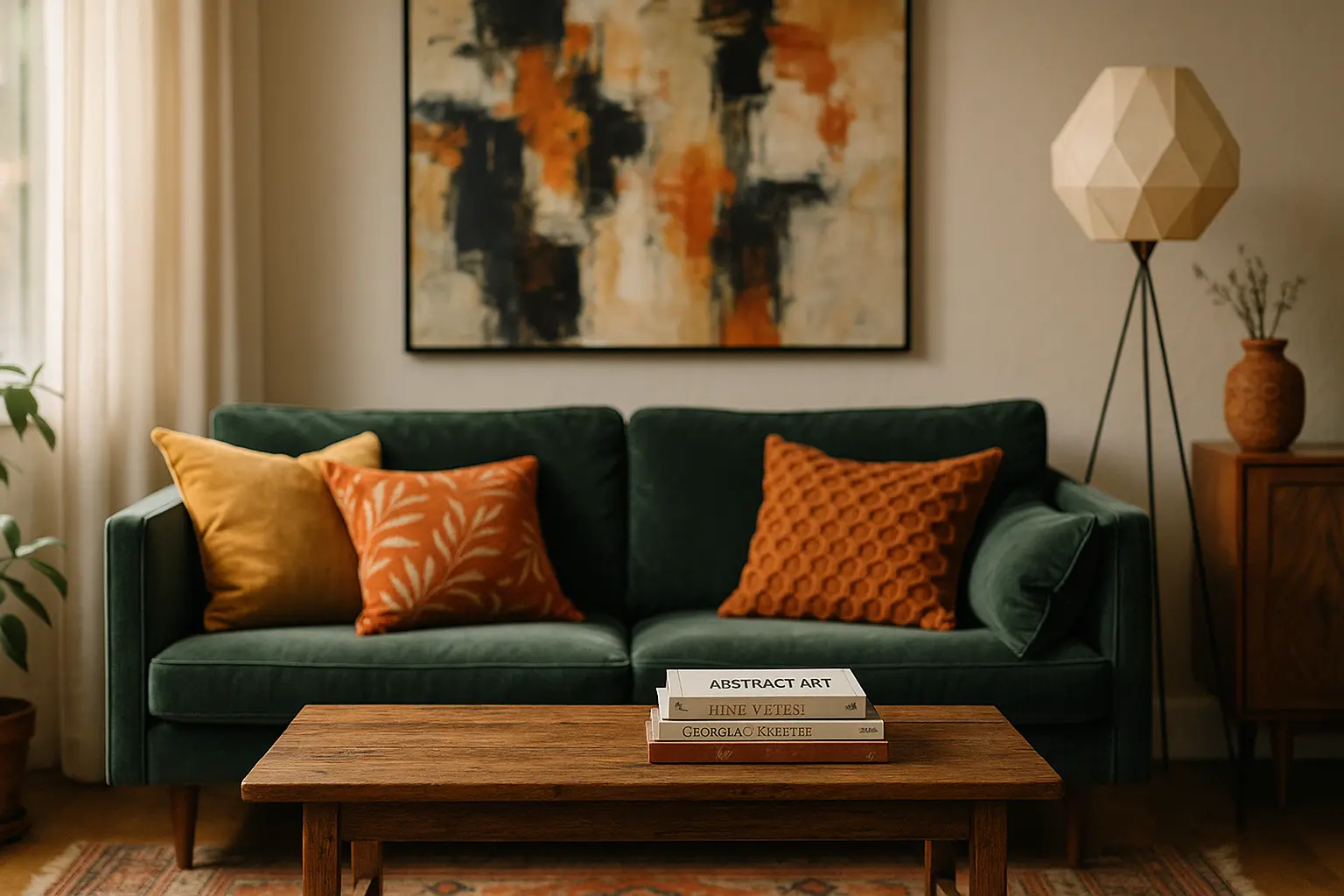
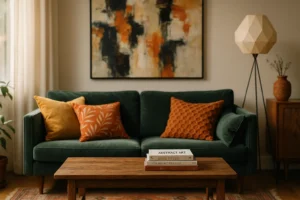
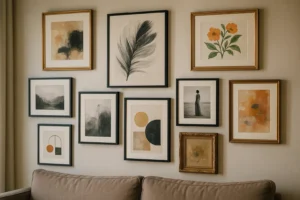
While neutral tones often dominate mid-century interiors, the strategic use of bold colors can add depth and interest. By incorporating pops of color through accent pieces, artwork, or textiles, we can create visually engaging spaces that reflect our unique personalities.
Balancing Function and Form
Achieving the ideal balance between form and function is essential in mid-century modern design. By strategically selecting pieces that serve both practical and aesthetic purposes, we can create spaces that are both functional and visually captivating.
As we have seen, the mid-century modern design movement is one of lasting significance. Its emphasis on simplicity, functionality, and the harmonious blend of natural elements has left an indelible mark on the world of interior design. By adopting these principles, we can create timeless spaces that reflect our modern tastes while honoring a rich design legacy.
The enduring appeal of mid-century modern design is a testament to its ability to transcend time and remain relevant in our ever-changing world. As we continue to explore and evolve our personal spaces, let us draw inspiration from this era, embracing its lessons and celebrating its timeless elegance.
FAQ
What defines the mid-century modern style in interior design?
Mid-century modern design is characterized by clean lines, simple forms, and a focus on functionality. It often incorporates organic shapes, minimal ornamentation, and a blend of traditional and non-traditional materials.
Why has mid-century modern design remained popular over the years?
Its enduring popularity can be attributed to its timeless aesthetic, which seamlessly blends with various decor styles. The emphasis on functionality and simplicity also makes it adaptable to modern living spaces.
What are some key elements to incorporate for a mid-century modern look?
To achieve this style, focus on furniture with tapered legs, geometric patterns, and a neutral color palette. Use natural materials like wood and leather, and integrate iconic pieces such as the Eames chair or Noguchi coffee table.
How do I incorporate color into a mid-century modern interior?
While mid-century modern design often emphasizes neutral tones, you can add pops of color through accent pieces like pillows, artwork, or rugs. Bold colors like mustard yellow, teal, and burnt orange are commonly used.
Can mid-century modern design be mixed with other styles?
Absolutely! This style is versatile and can be easily combined with other design aesthetics. For example, pairing it with Scandinavian elements can enhance the minimalist feel, while adding industrial touches can create a more eclectic vibe.




Post Comment