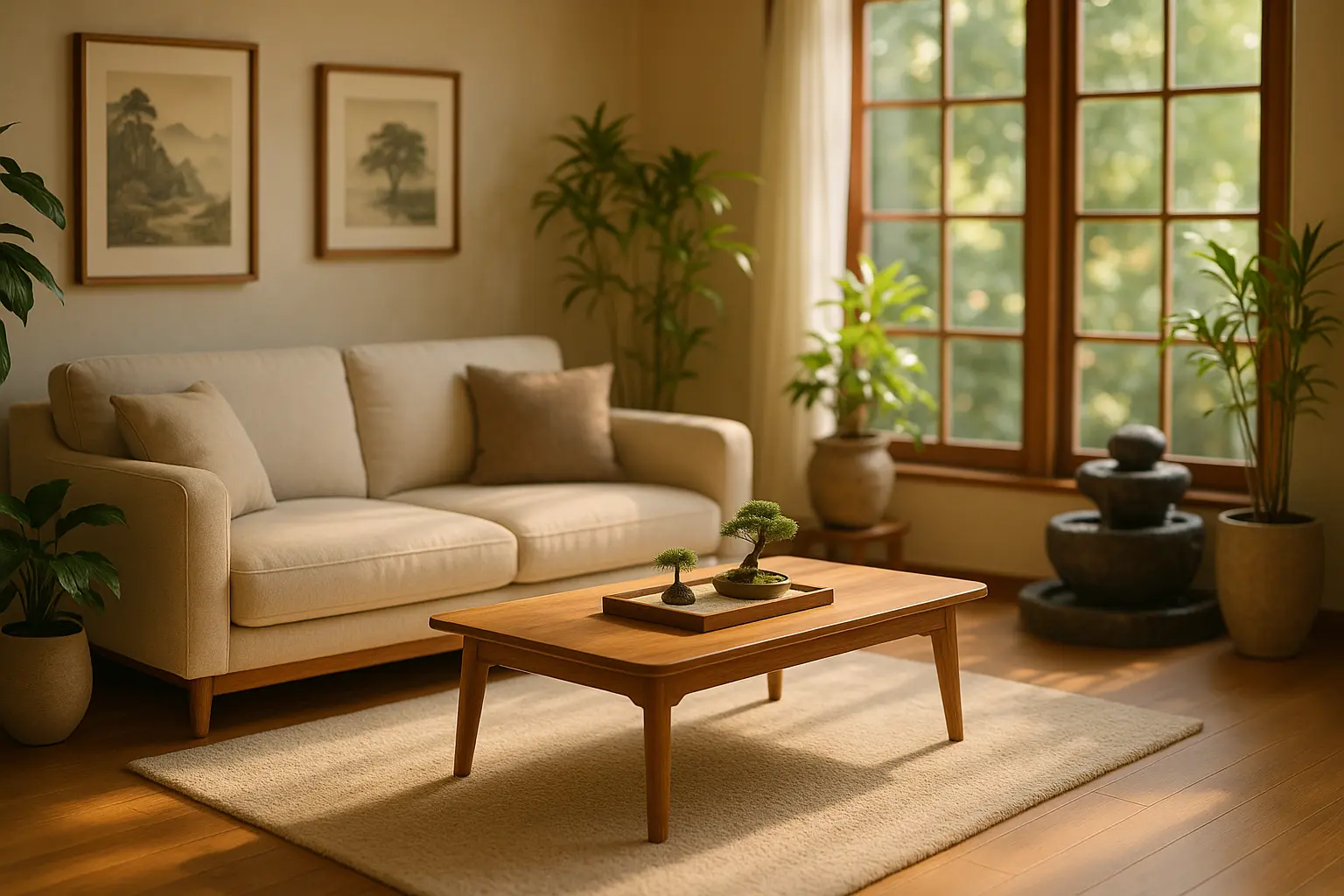
The Basics of Feng Shui: Harmonizing Your Home for Positive Energy
Imagine stepping into a space where every element feels intentionally placed, every color chosen with purpose, and every corner radiating with positive energy. This is the magic of Feng Shui, an ancient Chinese art that harmonizes our environment to improve life quality. In a world that often feels cluttered and chaotic, we yearn for spaces that rejuvenate and inspire. Through Feng Shui, we can create environments that foster a sense of balance and tranquility. Let’s delve into this fascinating art and explore how it can transform our home and life.
Understanding the Elements and Their Role
At the heart of Feng Shui lie the five fundamental elements: wood, fire, earth, metal, and water. Each plays a critical role in shaping the energy flow, or “chi,” within our space. By understanding these elements, we can create a harmonious environment that promotes positive energy.
Wood
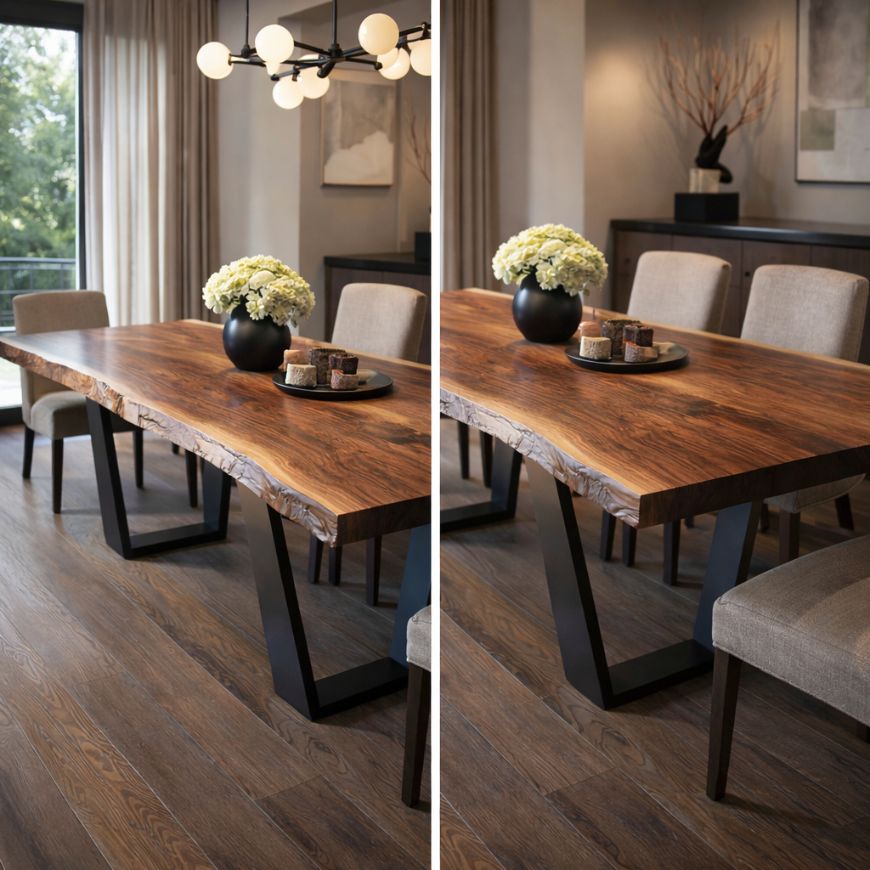
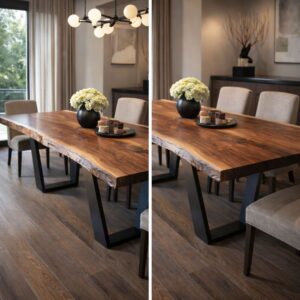
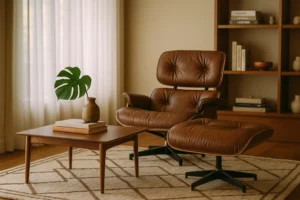
Wood represents growth and vitality. Incorporating wooden furniture or design elements like plants can invigorate a room, encouraging creativity and expansion.
Fire
Fire embodies passion and transformation. A fireplace, candles, or the color red can energize a space and invite warmth and enthusiasm.
Earth
Earth symbolizes stability and nourishment. Earthy tones, ceramics, and square shapes ground a room, offering a sense of security and balance.
Metal
Metal is linked to clarity and precision. Using metal accents or white and grey hues can enhance focus and organization.
Water
Water signifies fluidity and abundance. Incorporating water features or shades of blue can promote relaxation and prosperity.
Balancing these elements in our home is key to ensuring a smooth flow of chi and creating a space that aligns with our desired intentions.
The Power of Color in Feng Shui
Color is a powerful tool in Feng Shui, acting as a visual representation of the elements. The right color combinations can elevate a room‘s mood and energy, making it essential to choose wisely.
Red, Orange, and Yellow
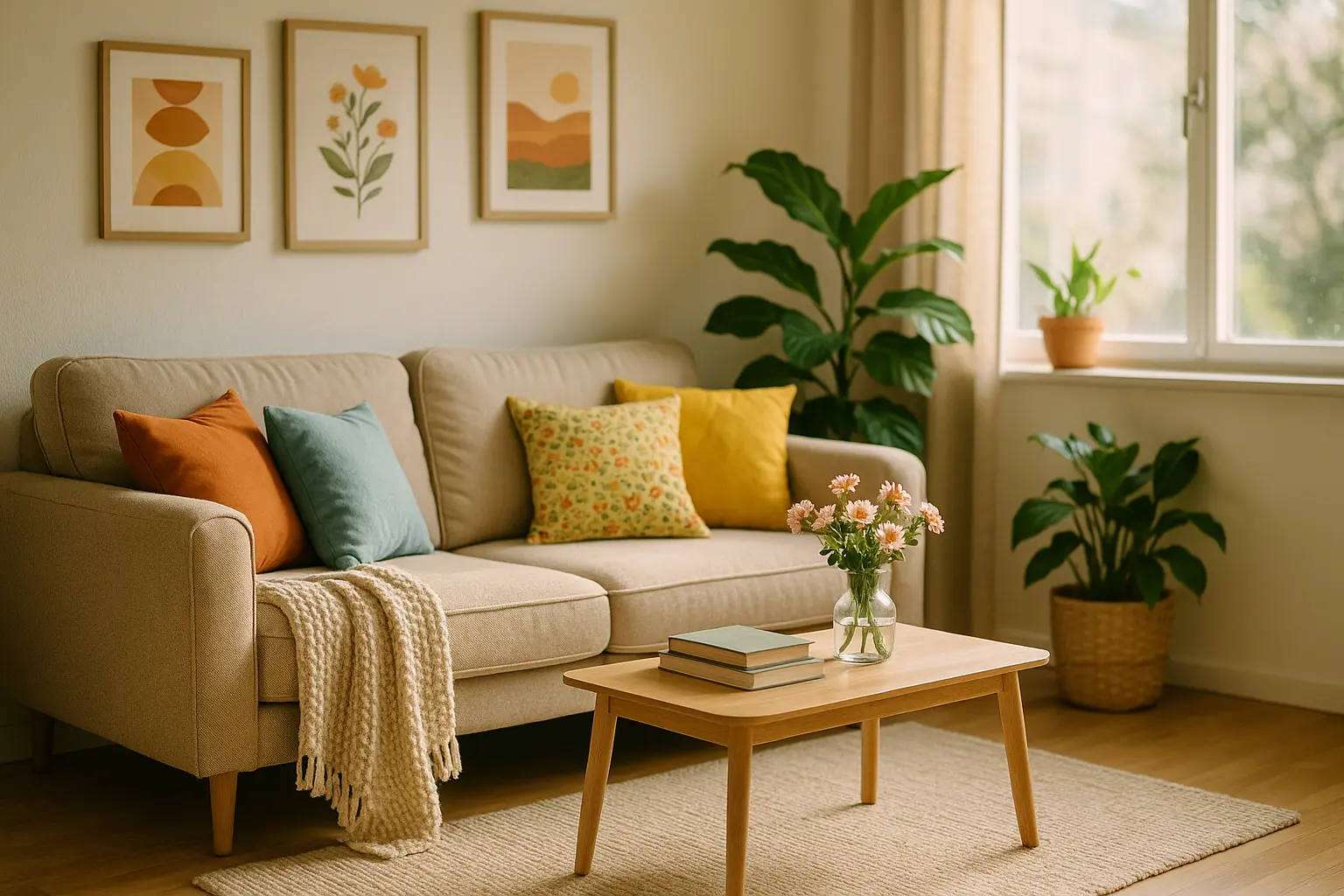
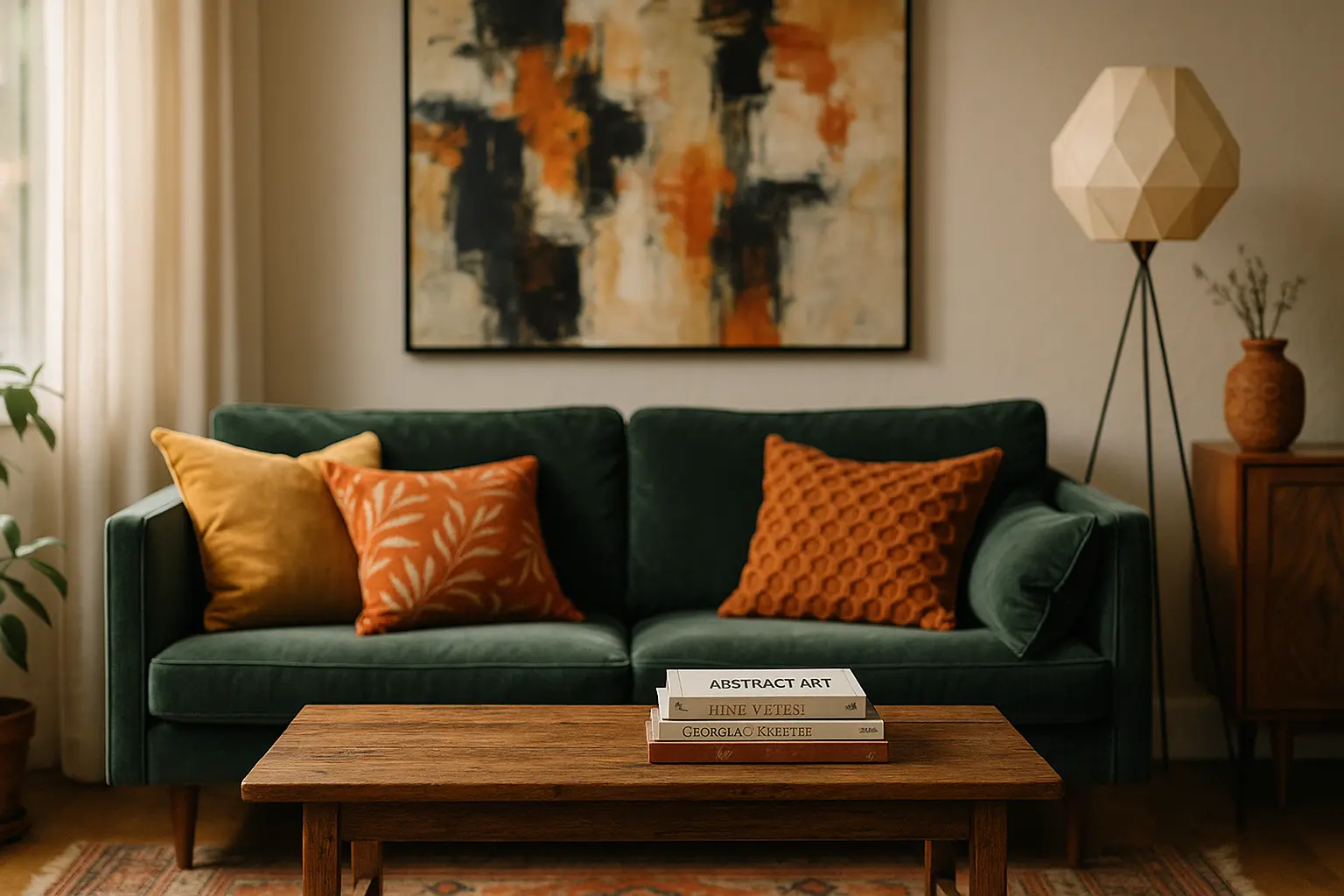
These warm hues are associated with the fire element, evoking warmth, joy, and enthusiasm. They’re ideal for social areas like living rooms or spaces where we seek to energize and inspire.
Blue and Black
Representing the water element, these colors exude calmness and depth. They are perfect for bedrooms or areas where relaxation and introspection are desired.
Green and Brown
Linked to the wood element, these colors symbolize growth and renewal. They work well in study areas or places where we nurture new ideas and creativity.
White and Grey
These colors reflect the metal element, fostering clarity and precision. Ideal for offices or spaces where focus and organization are paramount.
Earthy Tones
Browns and beiges, connected to the earth element, promote stability and reliability. They’re great for any space where we seek calmness and grounded energy.
Carefully selecting colors based on these principles can help us cultivate an atmosphere that enhances our emotional and physical well-being.
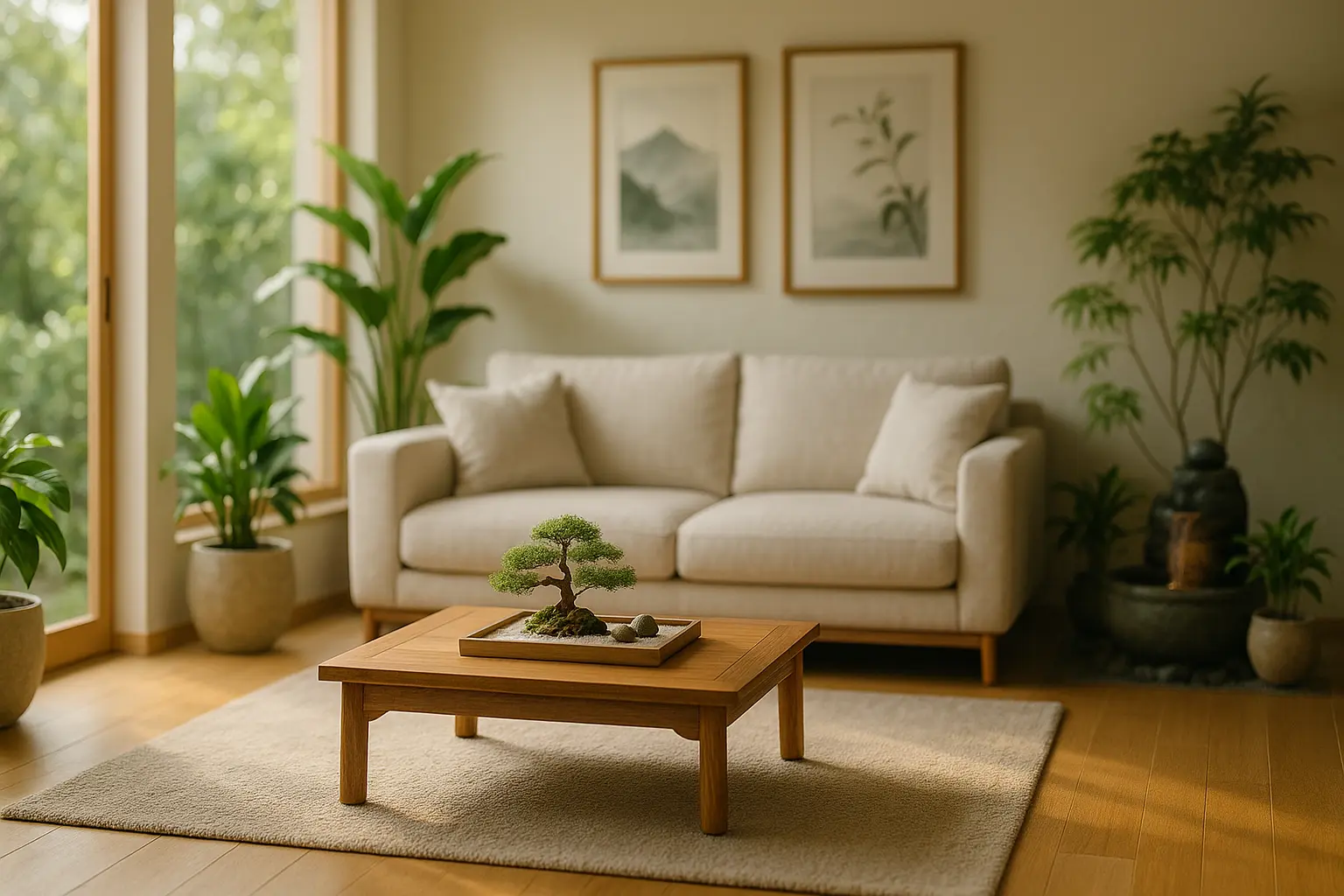
Designing Spaces for Optimal Chi Flow
Creating a home filled with positive chi means paying attention to the design and flow of each space. The arrangement of furniture, the shape of rooms, and even things like clutter can impact the harmony of our environment.
Clear Clutter
Clutter disrupts the flow of energy. By organizing our belongings and decluttering, we open up room for positive energy to circulate freely.
Furniture Placement
The placement of furniture should invite energy throughout the room. Avoid blocking entrances or windows, as these are natural pathways for chi.
Room Shape
Square or rectangular shapes are most conducive to good energy flow. If you’re faced with irregularly shaped rooms, use mirrors and decorative elements to create balance.
Create Areas of Balance
Each space should achieve a balance between elements. For example, a room predominantly featuring wood can benefit from metal or water elements to harmonize the energy.
Designing with intention allows us to craft spaces that not only look beautiful but also nurture our well-being, enhancing creativity, relaxation, and connection.
Conclusion: Embracing Feng Shui for a Harmonious Life
Our home is more than just a place where we sleep and eat; it’s a sanctuary that reflects who we are and what we desire from life. Embracing Feng Shui doesn’t mean adopting a rigid set of rules. Instead, it’s about finding harmony and flow by aligning our spaces with our intentions.
By integrating the five elements, choosing colors that resonate with our mood, and designing rooms that encourage positive energy, we can transform our environments and, by extension, our lives. The beauty of Feng Shui lies in its adaptability, allowing each of us to create spaces that speak to us individually.
So let’s embark on this journey of energizing our homes and welcome the positive transformations that await us. In doing so, we not only enhance our surroundings but also unlock pathways to a more harmonious and fulfilling life.
FAQ
What is Feng Shui and how does it influence a living space?
Feng Shui is an ancient Chinese practice that focuses on creating harmony between individuals and their environment. By arranging objects and furniture in specific ways, it aims to enhance the flow of positive energy, or “chi,” within a space. This can lead to improved well-being, prosperity, and overall balance in one’s life.
How do the five elements play a role in Feng Shui?
The five elements—wood, fire, earth, metal, and water—are central to Feng Shui. Each element represents different qualities and energies. Properly balancing these elements within a space can help encourage positive energy flows and create a harmonious environment. For example, wood is associated with growth and vitality, while fire represents passion and transformation.
What are some basic Feng Shui tips for arranging furniture in a home?
When arranging furniture, it’s important to ensure that each piece supports the flow of energy. Here are a few tips:
- Keep pathways clear: Avoid placing furniture in a way that obstructs movement through the room.
- Position the bed thoughtfully: In bedrooms, place the bed against a solid wall and avoid aligning it directly with the door.
- Balance seating arrangements: Ensure that seating areas promote conversation and connection by arranging chairs and sofas to face each other.
How does color impact Feng Shui in a home?
Colors can significantly influence the energy of a space in Feng Shui. Each color is associated with one of the five elements and can evoke specific emotions and energies. For instance:
- Red represents fire and can stimulate excitement and passion.
- Blue is linked to water, bringing calmness and serenity.
- Green, associated with wood, symbolizes growth and renewal. Choosing the right color combinations can enhance the desired energy in any given room.
Are there any common Feng Shui mistakes to avoid when organizing a home?
Yes, here are some common Feng Shui pitfalls to watch out for:
- Clutter: Excessive clutter can block energy flow, so it’s important to regularly declutter and organize.
- Mirrors in bedrooms: Mirrors can disrupt sleep by reflecting energy, so avoid placing them directly across from the bed.
- Ignoring the front door: The front door is considered the “mouth of chi,” so ensure it’s well-maintained and unobstructed to welcome positive energy into the home.




Post Comment